Preserving the Luster of Heirloom Hardwoods
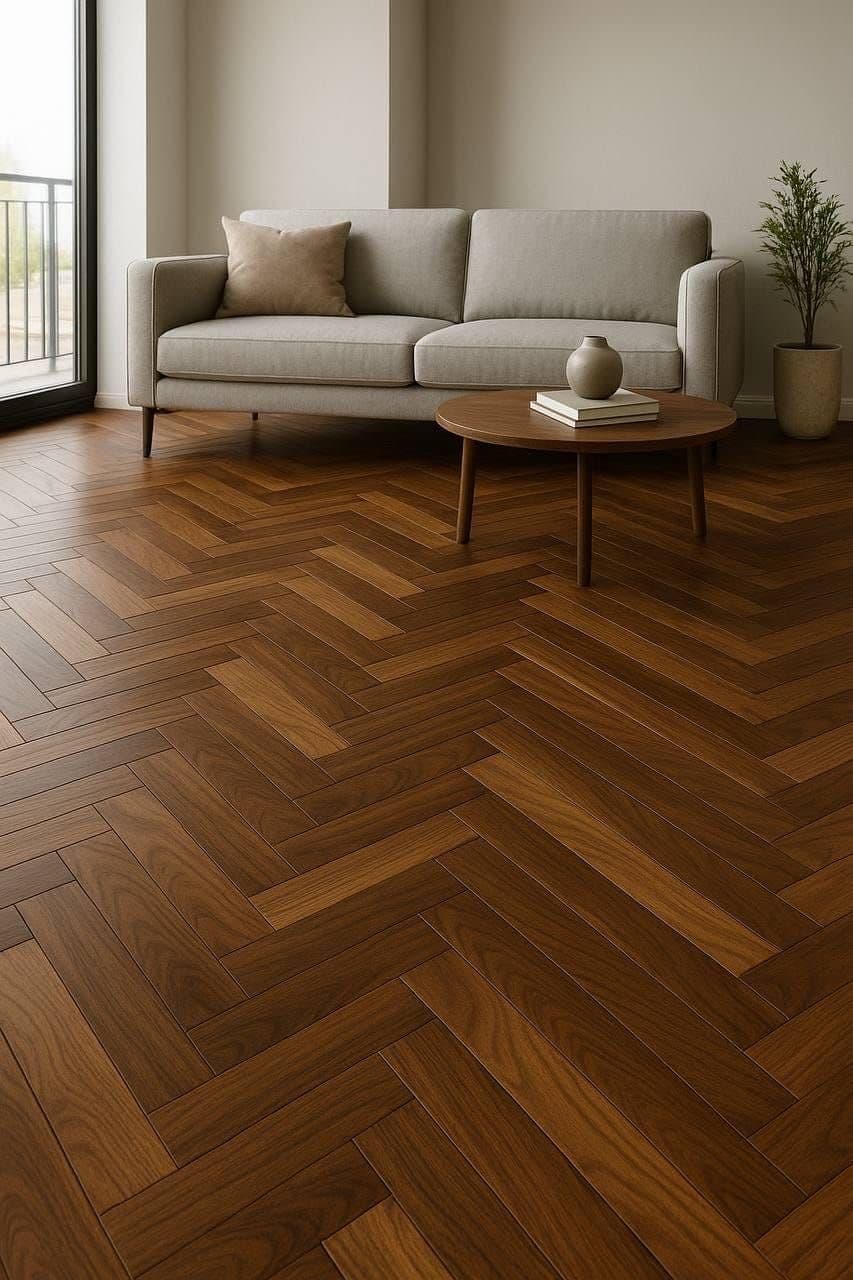
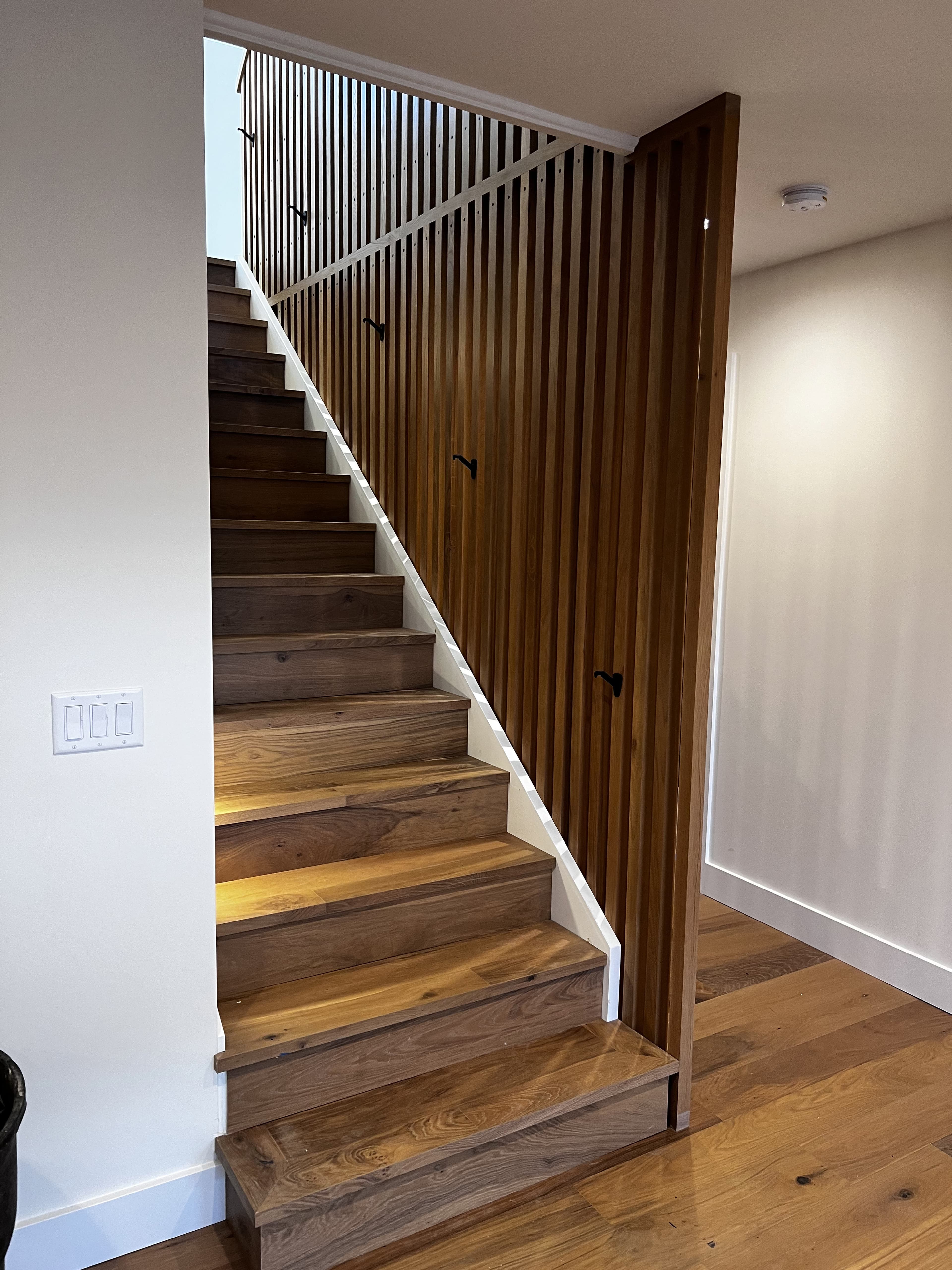
Wide-plank white oak, walnut, and other premium species are chosen for grain, tone, and the way they anchor a room. Keeping that investment luminous through kids, pets, and seasonal heat cycles is less about exotic cleaners and more about respecting the finish chemistry, managing humidity, and fixing small wear before it becomes sanding-level damage.
Start with the finish you chose
Oil, hardwax oil, site-finished poly, and factory UV-cured finishes all age differently. The maintenance playbook is not interchangeable: what keeps an oiled floor healthy can cloud a high-build polyurethane if oils or waxes are layered on top without testing. When in doubt, call the finisher before the internet—one wrong product can add a foggy film that requires a full recoat to remove.
Keep the manufacturer or finisher’s notes in the homeowner binder, including batch numbers for site-applied coats. Future touch-ups should extend the same system rather than stacking incompatible products. If you ever need a localized repair, matching sheen and color is far easier when you know exactly what went down on day one.
Daily and weekly care without over-cleaning
Dry dusting or vacuuming with a soft brush attachment removes grit that would otherwise act like sandpaper under shoes. For damp cleaning, use a well-wrung microfiber mop and a cleaner approved for your finish type. Standing water is the enemy: puddles along fridge gaskets, dog bowls, and entry mats should be dried promptly, especially near end-grain at plank tips.
Avoid steam mops on site-finished wood; the combination of heat and moisture drives water vapor into seams faster than many finishes can tolerate. If a spill happens—wine, oil, vinegar—blot, don’t scrub in circles, then clean with the recommended product once the bulk liquid is gone.
Furniture, rugs, and traffic patterns
Felt pads under chairs and tables prevent the micro-scratching that shows up first in reflected light. Rotate rugs seasonally if the room allows, so the field of the floor ages evenly. High-travel corridors from kitchen to mudroom may need refresh coats sooner than formal spaces—plan for that in the maintenance budget rather than being surprised at year seven.
Humidity is the hidden variable
Solid and engineered wide plank both move with seasonal humidity swings. Stable interior relative humidity—not constant soaking or desert-dry air—does more for longevity than occasional deep cleans. In heating season, monitor with a simple hygrometer; if levels crater for weeks, consider integrating humidification with your mechanical system rather than chasing floor gaps with filler.
Summer spikes matter too: AC that pulls humidity aggressively can stress wood the opposite direction. The goal is moderation. If you see pronounced gapping every winter that mostly closes in summer, that is often the floor telling you the interior environment is swinging too hard, not that the install failed.
When to refresh versus full sand
Surface scratches in the finish-only layer can sometimes be screened and recoated if the floor has never been waxed with incompatible products and if the finish family supports another mechanical bond coat. Deep gauges through the stain layer, widespread wear in kitchens, or water cupping from a one-time flood are different conversations—those may require board replacement or full sand and refinish.
Schedule professional assessment before DIY screening: one pass too deep on engineered wear layers can expose core material and void warranties. The right team will test in a closet, confirm compatibility, and leave you with a realistic expectation of how many recoat cycles remain in the product’s life.