The Rise of Vertical Siding in Modern Estates
Vertical siding is no longer a regional curiosity. Across high-end residential work, architects are specifying vertical boards and panels to emphasize height, rhythm, and a cleaner silhouette against the sky. The shift is partly aesthetic—clients want façades that feel intentional—and partly practical: modern wall sections, continuous insulation, and rain-screen details are easier to express when the cladding reads as a disciplined plane rather than a stack of laps.
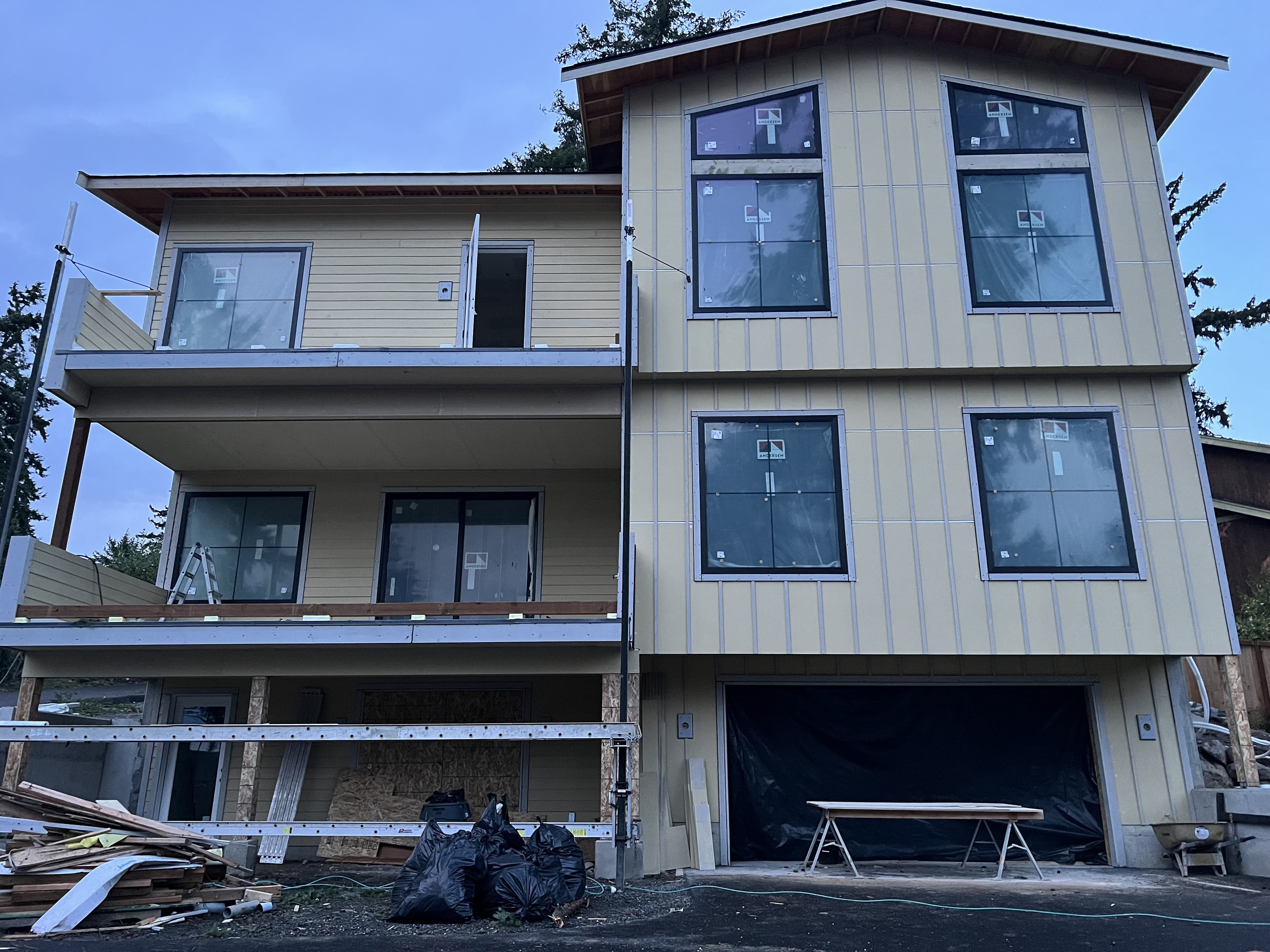
For builders, the move to vertical layouts changes sequencing and tolerances. Every joint is visible from the sidewalk; courses do not hide minor waviness the way horizontal laps sometimes can. That means straighter subs, tighter corner planning, and earlier decisions about trim profiles, ventilated cavities, and how windows sit in the plane of the wall.
Why vertical reads as “designed”
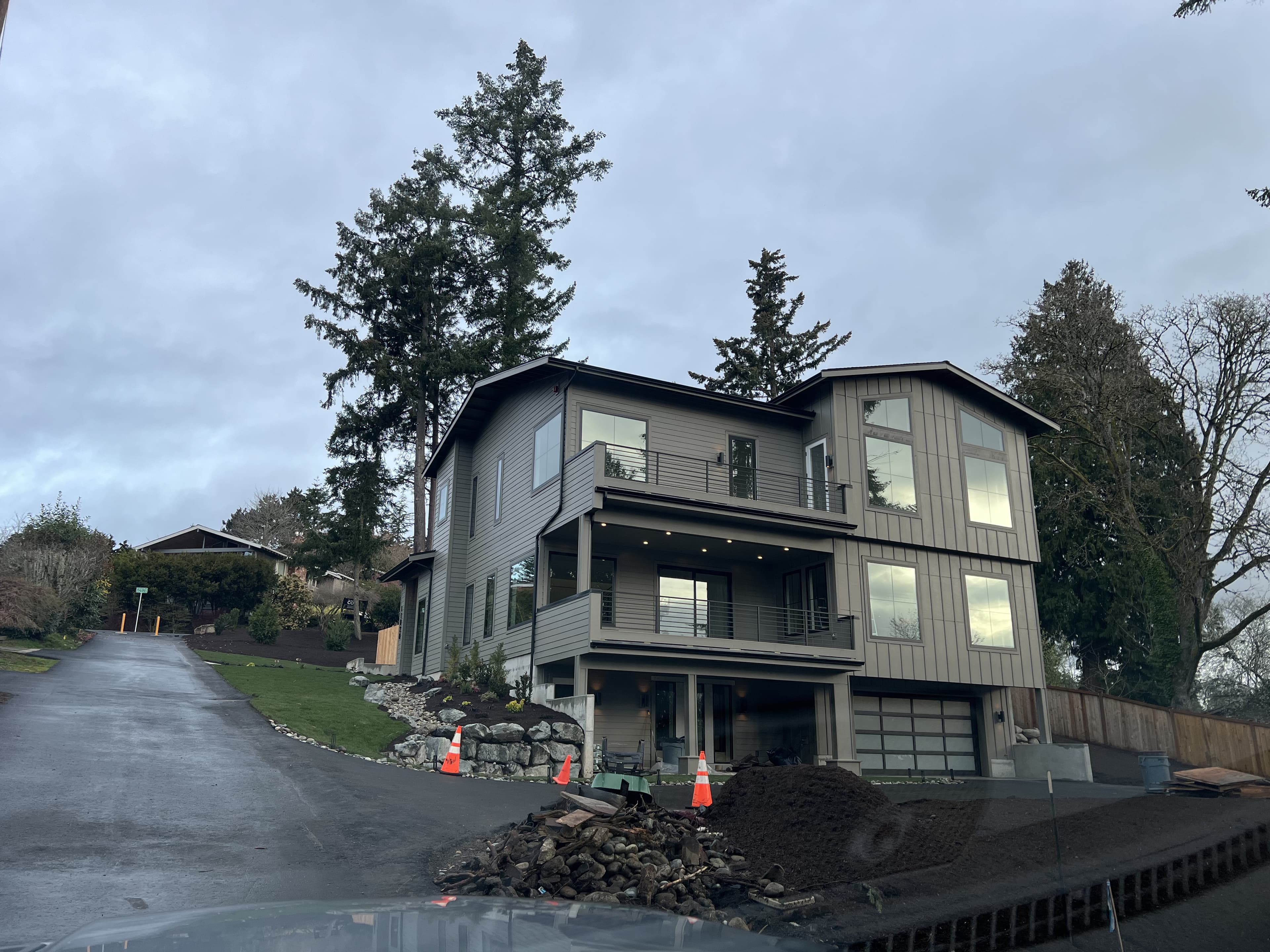
Horizontal lap siding is familiar and cost-effective, but it also repeats the horizon line of the landscape. Turning the grain ninety degrees breaks that pattern: the façade becomes a deliberate grid that pairs well with large glazing, flat rooflines, and deep overhangs that read as thin planes.
In estate-scale homes, vertical boards elongate the massing. Combined with restrained palettes—charcoal fiber cement, warm cedar, or matte metal—the eye travels upward, which helps balance wide footprints and low-slung wings. The effect is architectural rather than suburban default, even when the underlying structure is conventional framing.
Detailing that survives weather and time
Successful vertical cladding leans on predictable water management: a ventilated cavity, properly flashed openings, and termination at grade that keeps finish materials out of splash zones. Whether you use a rain-screen clip system or a more traditional furring layout, the goal is the same—bulk water drains, incidental moisture dries, and air movement behind the cladding is controlled, not accidental.
Corners deserve extra attention. Outside corners can be mitered, metal-capped, or wrapped with trim boards; each choice changes shadow lines and maintenance. Inside corners at window returns need crisp alignment so the vertical rhythm does not “break” visually. Mock-ups at one full-height bay, photographed in morning and afternoon light, usually pay for themselves before full production.
Material pairings that work
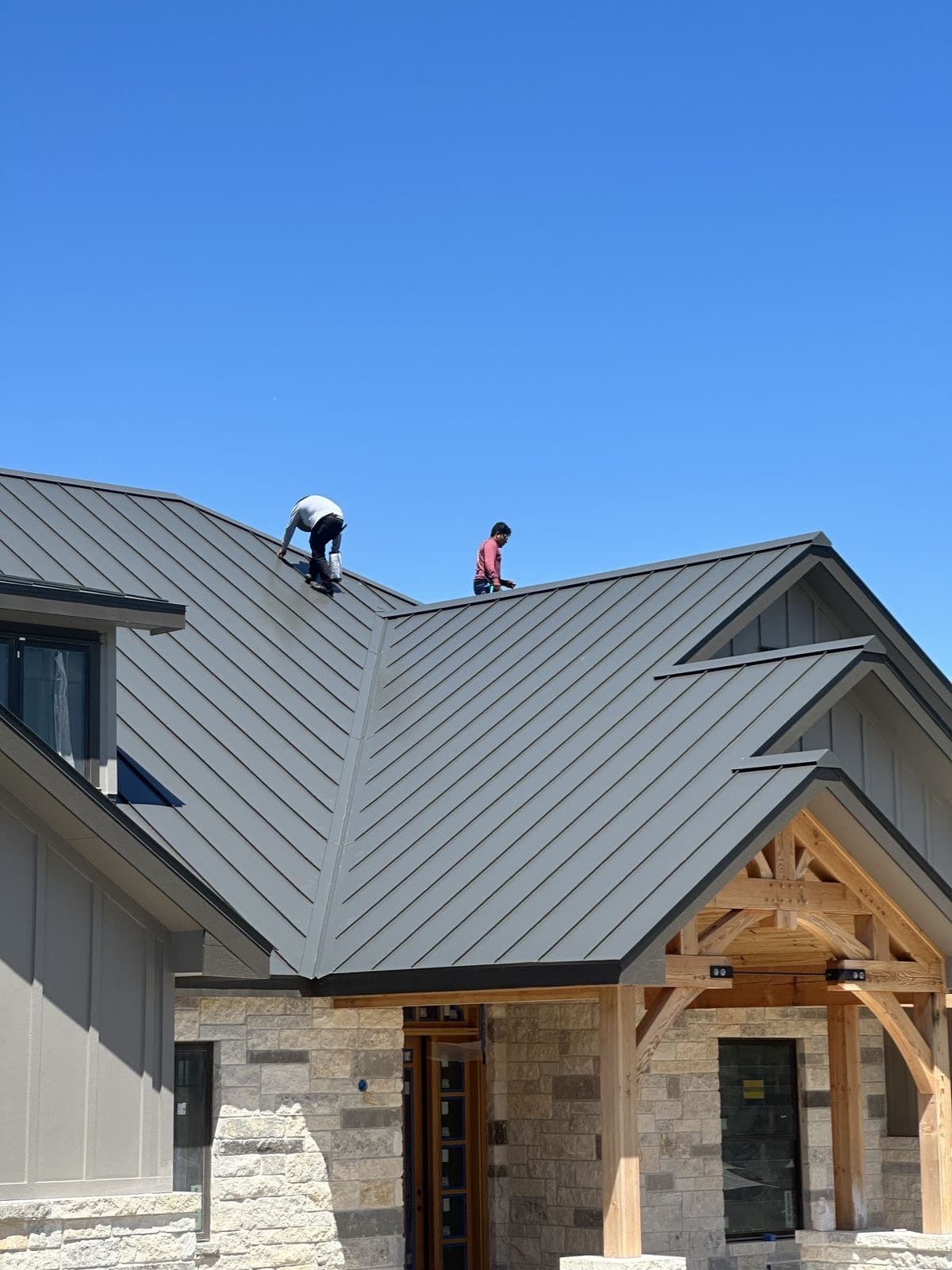
Cedar and fiber-cement panels are common starting points. Cedar brings warmth and accepts stain predictably; fiber cement offers fire resistance and dimensional stability in wide boards. Metal standing-seam accents at entries or second-story “sleeves” can add contrast without fighting the vertical rhythm—as long as joint lines and trim depths are coordinated early in CD sets.
Stone or brick bases paired with vertical upper walls remain a durable composition: the heavy datum grounds the house, while the upper volume feels lighter. The handoff between materials needs a clear weep strategy and a shadow line that does not trap debris. If the stone ledge projects, account for drip edges so water does not run back under the siding above.
What to clarify before procurement
Confirm board width, exposure, and whether the spec allows random or fixed coursing. Nail or clip schedules, wind-load requirements, and manufacturer limitations on maximum unsupported span should be on the same page as the architect’s detail sheets. Late substitutions from one panel system to another often ripple into window subsills, exterior outlets, and lighting locations—better to lock the system before rough-in is complete.
Finally, plan for maintenance access: hose bibs, exterior outlets, and low vents should not sit where annual washing or localized repairs require removing long runs of boards. A little forethought on the drawing keeps the vertical façade looking as composed in year fifteen as it does on opening day.