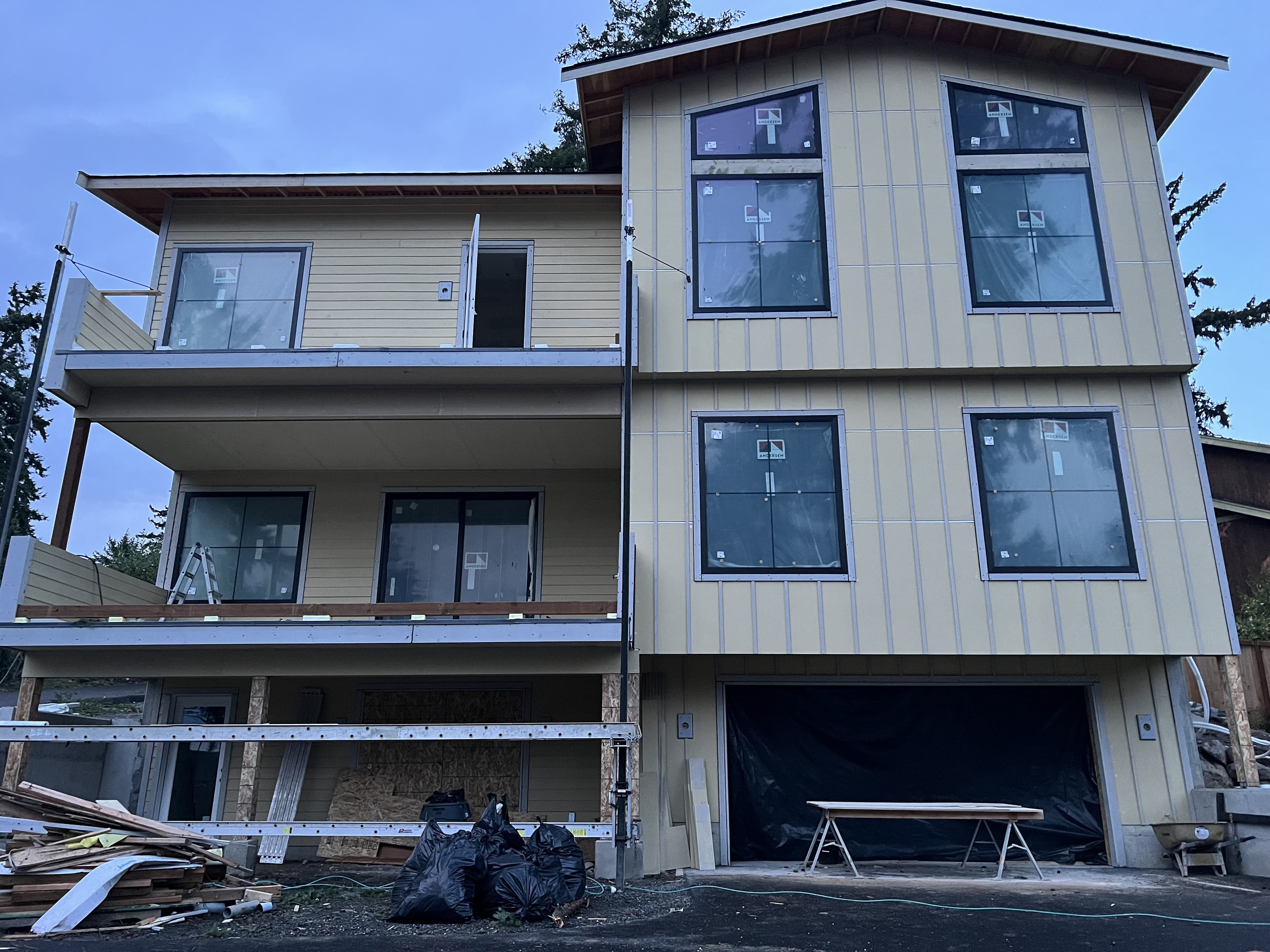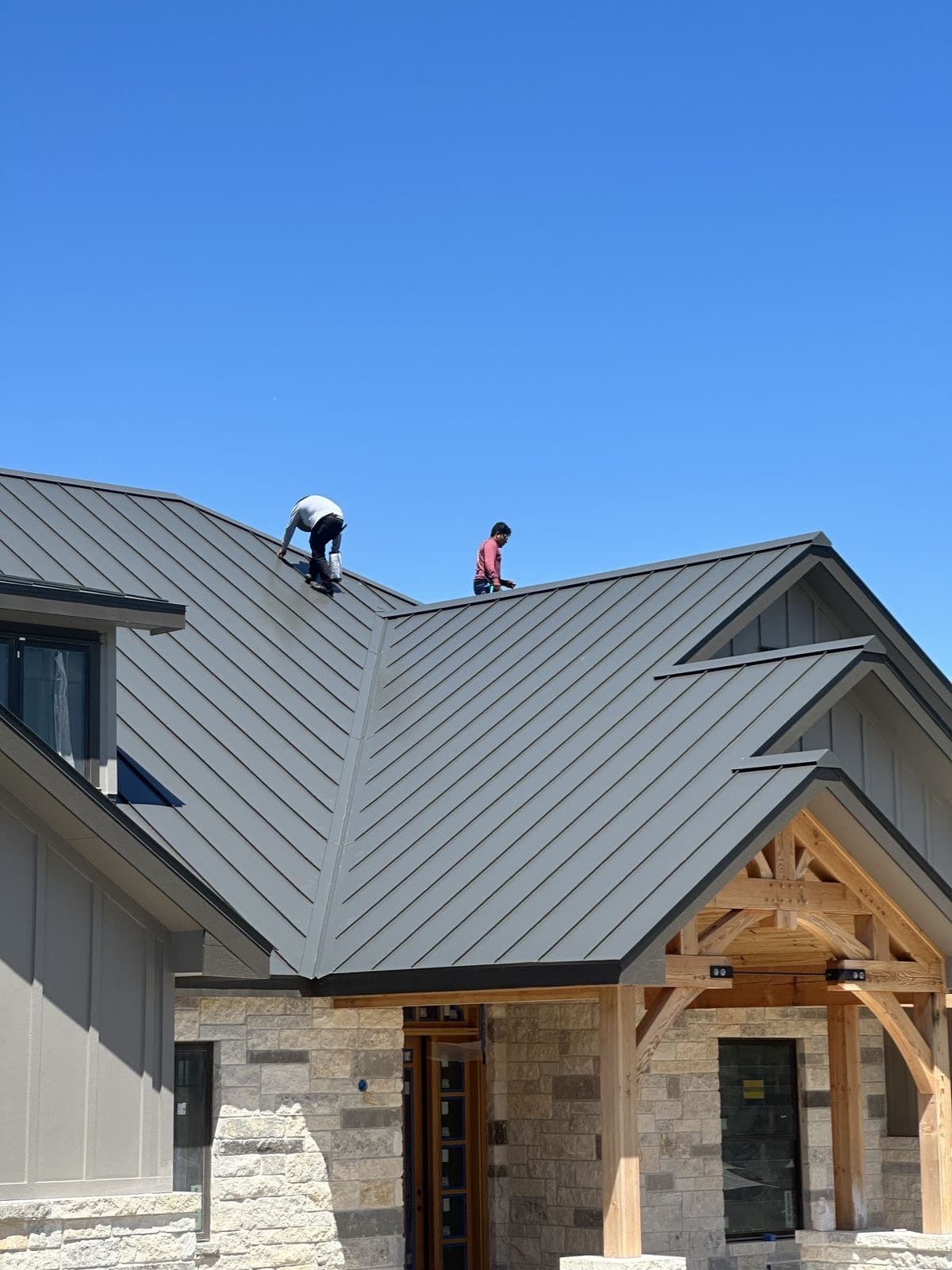
Engineering the Perfect Roof Envelope
A roof is more than shingles or metal on a slope. The envelope is the assembly: deck, underlayment, flashings, penetrations, and the path moisture and heat take through the assembly over decades. Premium residential work in wet or mixed climates rewards teams that treat the roof as a system—with clear responsibility boundaries between trades and a single narrative for how water, vapor, and air are managed from ridge to eave.
Owners rarely see the hidden layers, but they live with the consequences. A small lapse at a chimney cricket, a skylight curb, or a low-slope tie-in can produce intermittent stains, insulation damage, or mold long after the punch list is signed. Investing in sequencing, third-party review at dry-in, and photo documentation is cheaper than forensic investigation behind finished ceilings.
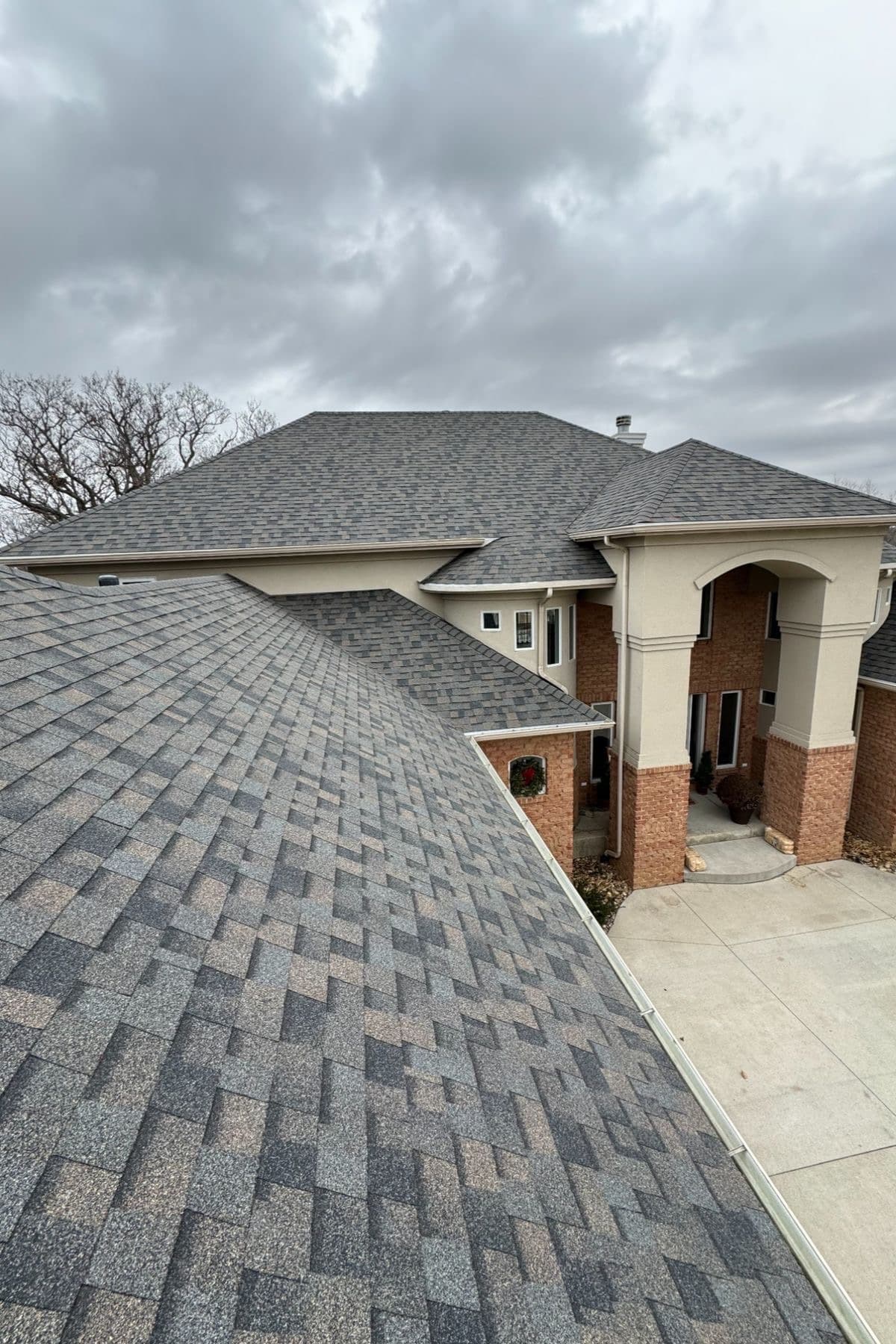
Control layers, not just finishes
The finish layer sells the job, but the control layers do the work. Continuous underlayment compatible with the roof covering, properly lapped flashings at walls and valleys, and disciplined sequencing at penetrations keep bulk water out and allow incidental moisture to dry. In retrofit conditions, never assume the old deck is flat or dry—probe, replace punky sheets, and re-nail to a schedule that matches the new covering.
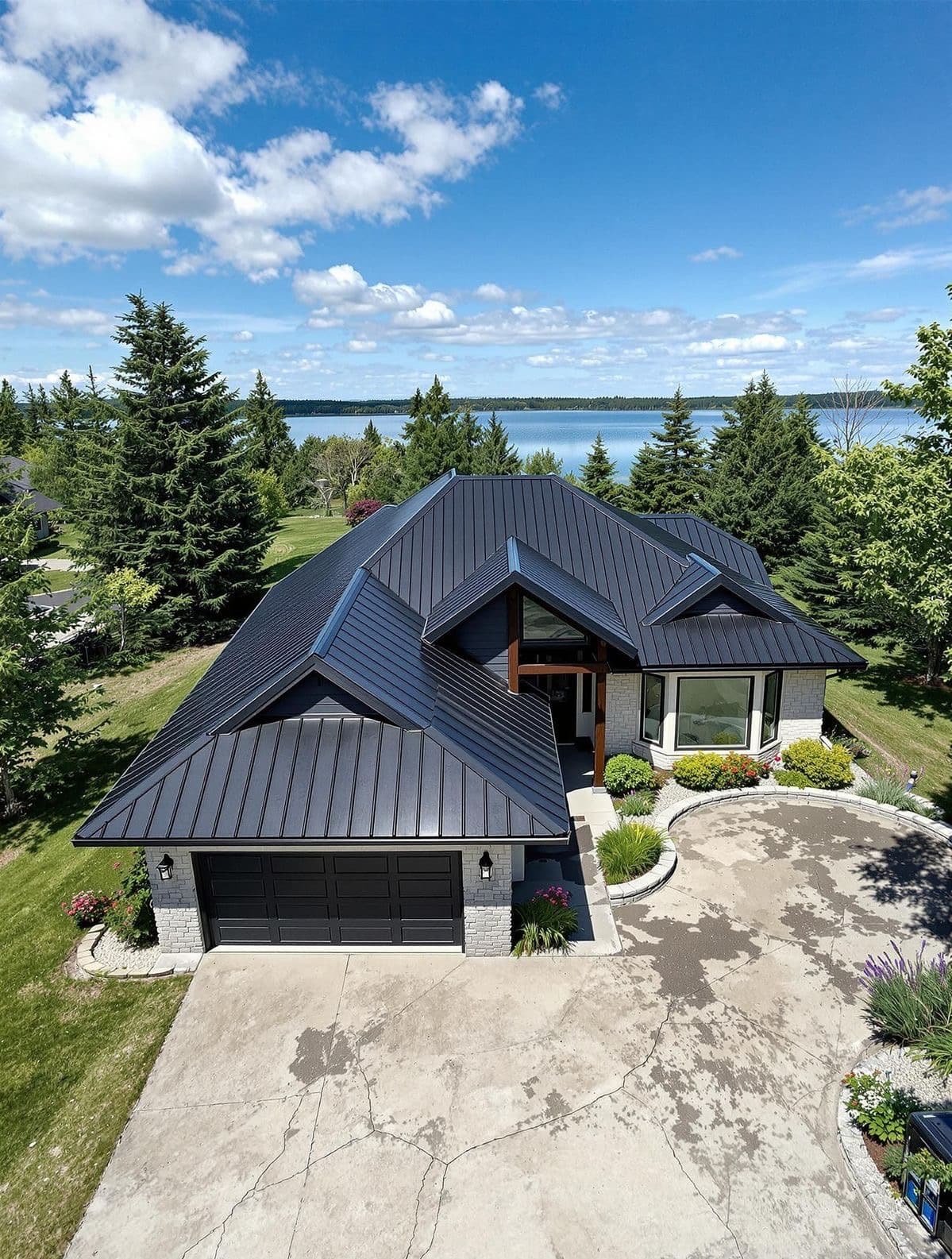
Ice barriers, valley metal, step flashing at sidewalls, and kickout flashings at roof-to-wall intersections are not optional upgrades on complex forms. Where geometry stacks valleys, dormers, or crickets in tight quarters, model the water paths explicitly: if two streams converge above a window head, detail a diverter or widen the collector pan before the problem shows up as interior bubbling paint.
Ventilation, insulation, and mixed assemblies
Ventilation strategy should match insulation placement. Classic vented attics rely on balanced intake and exhaust; interrupt that path with spray foam against the roof deck without a plan, and you may create an unintended unvented assembly with different dew-point behavior. Unvented roofs with exterior rigid insulation can perform beautifully—but only when the ratio of insulation inside versus outside aligns with climate and code.
Cathedral ceilings and shed roofs add complexity: depth for structure, depth for insulation, and room for conduit or lighting may compete in the same sandwich. Early energy modeling and a defined hygrothermal strategy prevent the late-game choice between “lose headroom” and “move the dew point to the wrong layer.”
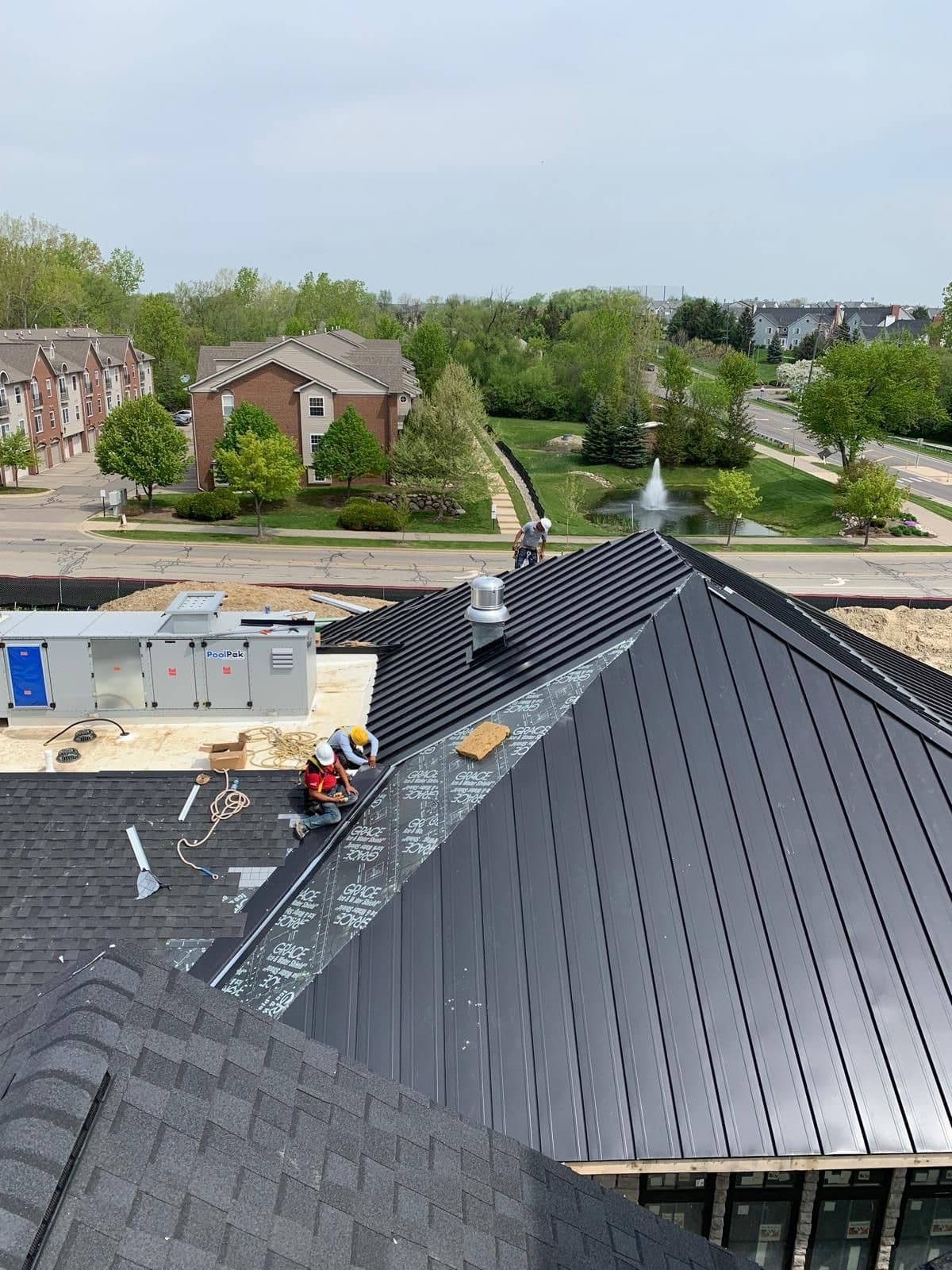
Penetrations and mechanical curbs
Every pipe, vent, and mechanical curb is a potential funnel. Boots and flanges must sit on smooth underlayment, with upper sheets lapped over lower ones in shingle fashion. Solar mounts, satellite dishes, and future generator vents should be anticipated where possible—adding a panel retrofit over a sloppy pipe flashing is expensive once the array is live.
Skylights and roof windows demand curbs that are straight, co-planar with the roof plane, and wrapped into the secondary drainage plane. Site-built curbs often outperform rushed adaptations of stock kits when roof pitch or snow load is aggressive.
Inspection checkpoints
Photo documentation at dry-in, a written punch list before shingle or panel coverage, and a final walk focused on penetrations and transitions usually cost less than one leak investigation after occupancy. Use a checklist: each penetration photographed from two angles, each valley water-tested or visually verified for shingle-style laps, and each wall tie-in signed off by the same superintendent who will answer the phone in February.
After turnover, leave the homeowner with a simple maintenance calendar: gutter cleaning, debris behind chimneys, and occasional inspection of exposed flashings after wind events. A roof engineered for performance still needs sensible stewardship—especially on wooded lots and near salt air.